

Safis Publishing is our main imprint. It is concerned with non-fiction, thought-provoking books on Islam.

Vision
Our vision is to advance an accurate, progressive, and multi-faceted understanding of Islam, including its literature, thought, practice, history, and role in the world.

Mission
Our mission is to provide trusted, high-quality books on various aspects of Islam for the expert and general reader.

Islamic Rethink
Our Islamic Rethink framework promotes an evolving, progressive understanding of Islam and guides our publishing strategy. Read more 
In addition to proactively commissioning authors to write for us on topics we are interested in, we welcome the submission of book manuscripts that are aligned with our vision and mission. We are also interested in translations of classical texts that remain relevant today. You can review the subjects we are interested in here.
Please review our submission and assessment process here.
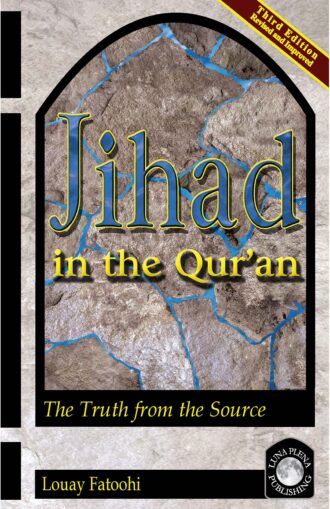
Jihad in the Qur’an
Focusing on the meaning of jihad in the Qur’an, this study explains that jihad is the person’s ongoing struggle against all manifestations of evil, starting with the evil drives within one’s self.

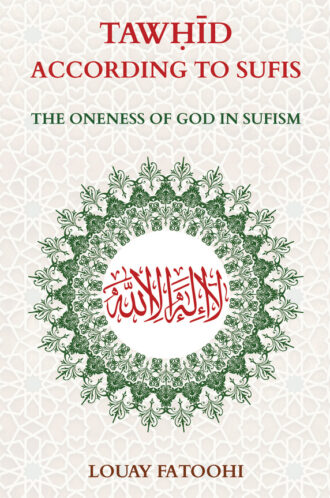
Tawhid According to Sufis
A translation and commentary on beautiful and profound Sufi sayings on various aspects of tawhid. These words stress that Allah is beyond human cognition and perception. Sufis stress that true glorification of Allah requires acknowledging this limitation and accepting divine self-disclosure without excessive rationalisation.

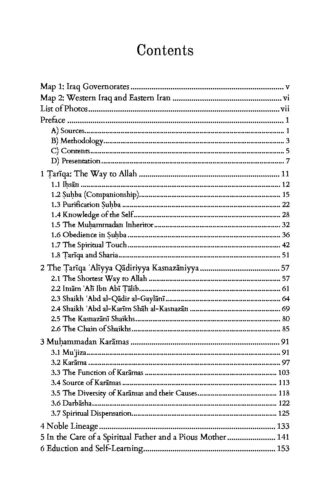
Shaikh Muhammad al-Muhammad al-Kasnazan al-Husayni
This is the biography of a prominent personality of Islam and Sufism, Shaikh Muhammad al-Muhammad al-Kasnazan al-Husayni, the Master of Tariqa Kasnazaniyya, one of the largest Sufi Tariqas. The book presents the Shaikh’s life in the context of explaining the Sufi approach to drawing near to Allah and expounds Sufism through the history of the Shaikh.
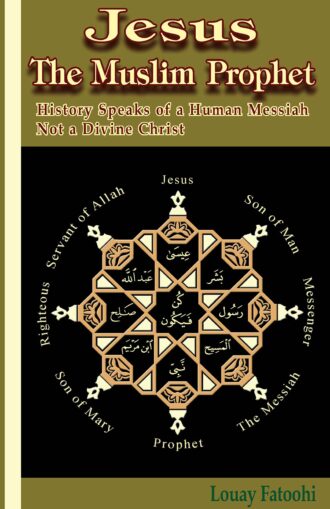
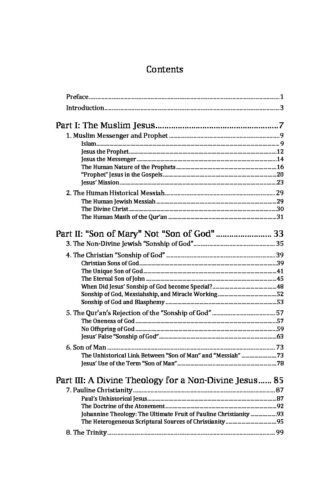
Jesus the Muslim Prophet
This book contrasts the human Jesus of the Qur’an with the divine Jesus of Christian sources. It shows that the Qur’anic Jesus is the one that fits in history.
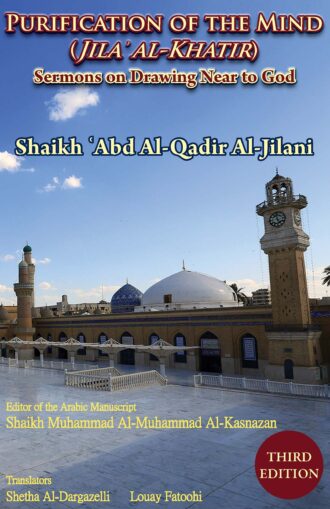
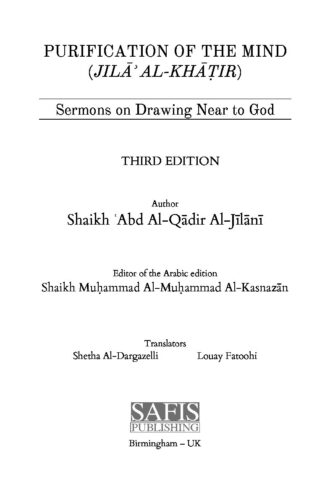
Purification of the Mind (Jila’ Al-Khatir) – Third Edition
These are forty-five sermons by Shaikh ‘Abd al-Qadir al-Jilani, which he delivered at his school in Baghdad almost 900 years ago. The great Master addresses various spiritual diseases and their remedies and how to draw near to God.
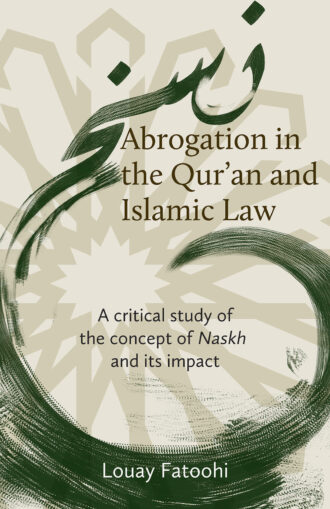
Abrogation in the Qur’an and Islamic Law
This book traces the development of the concept of abrogation from its most basic form to the complex and multi-faceted doctrine it has become. It also critiques the role of abrogation in rationalizing the view that not all of the Qur’anic revelation has survived and its application in Islamic law.